With the honor of photographing my good friends and colleagues Mazi and Chrissy's wedding, I'd like to share some of my favorite photographs from their union.
Please join me in congratulating Mazi and Chrissy on their marriage.
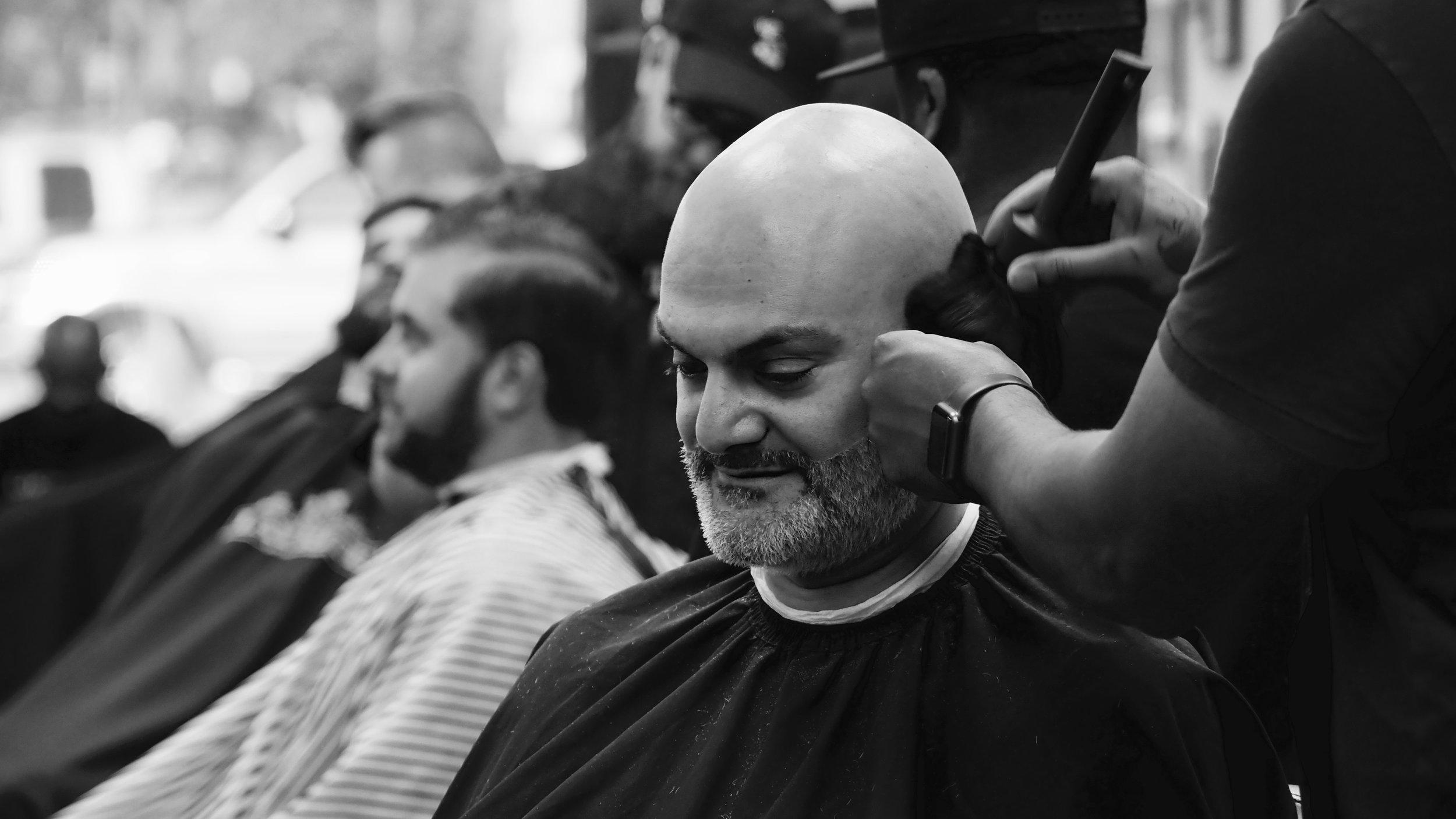
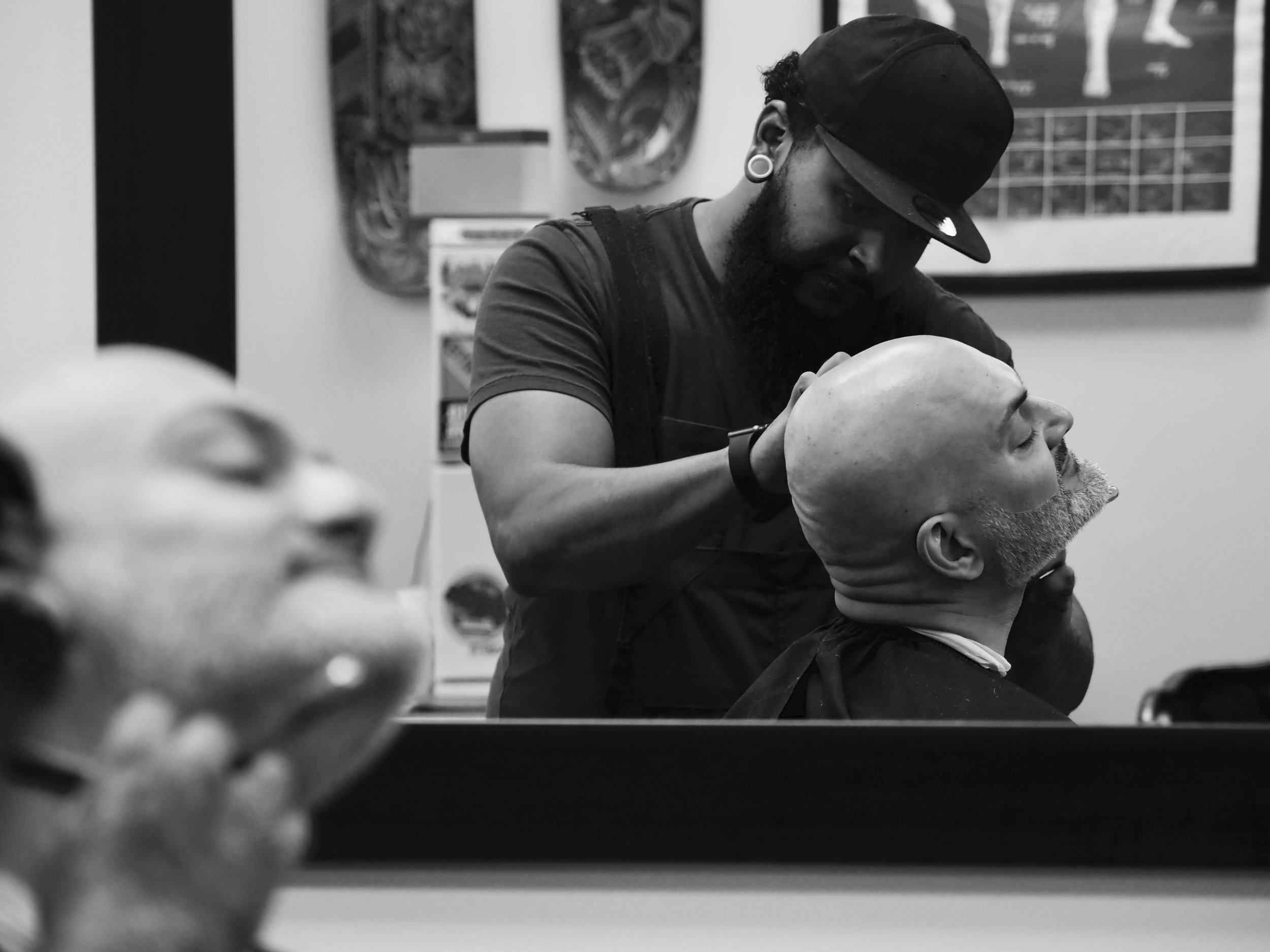
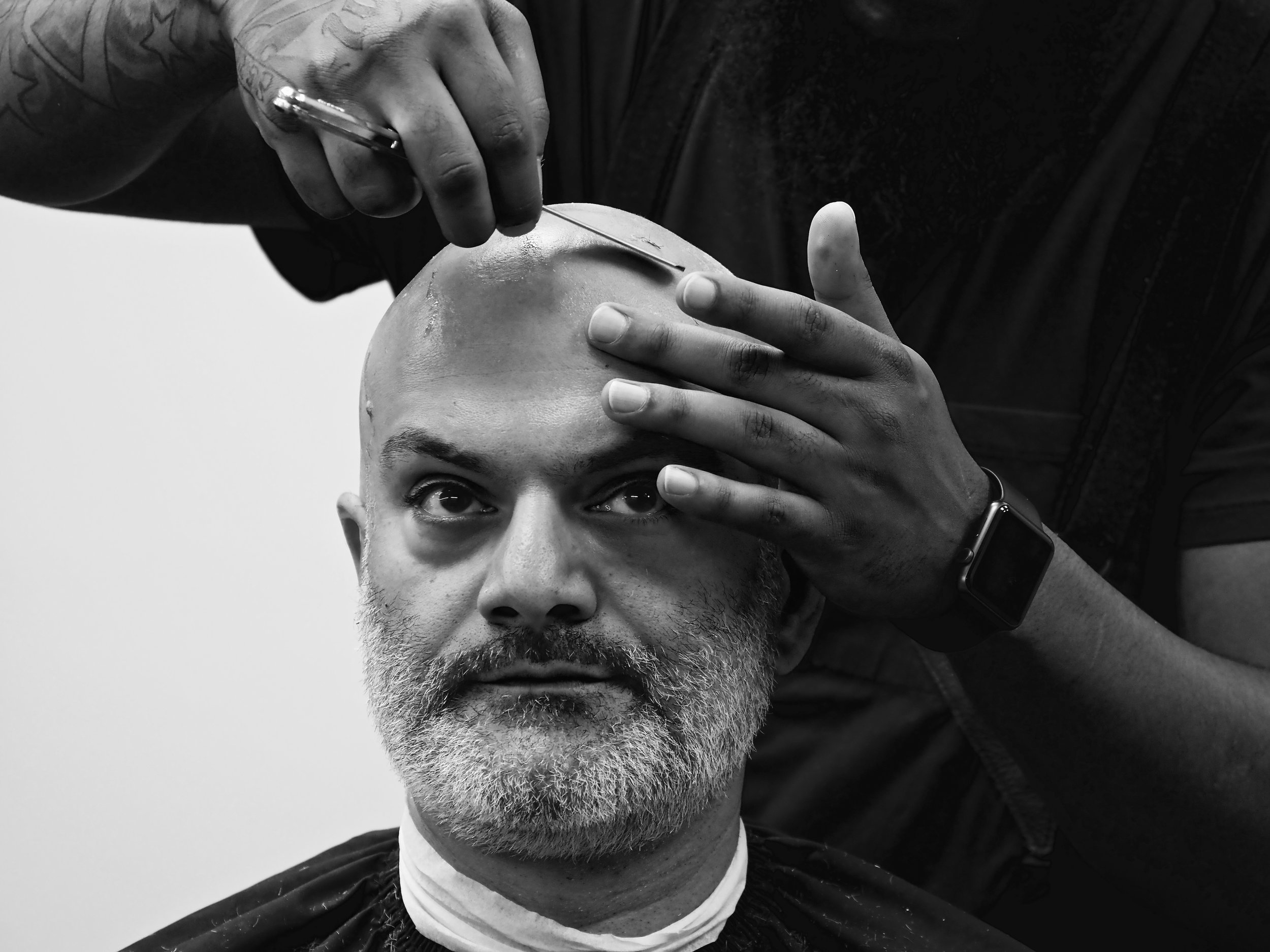
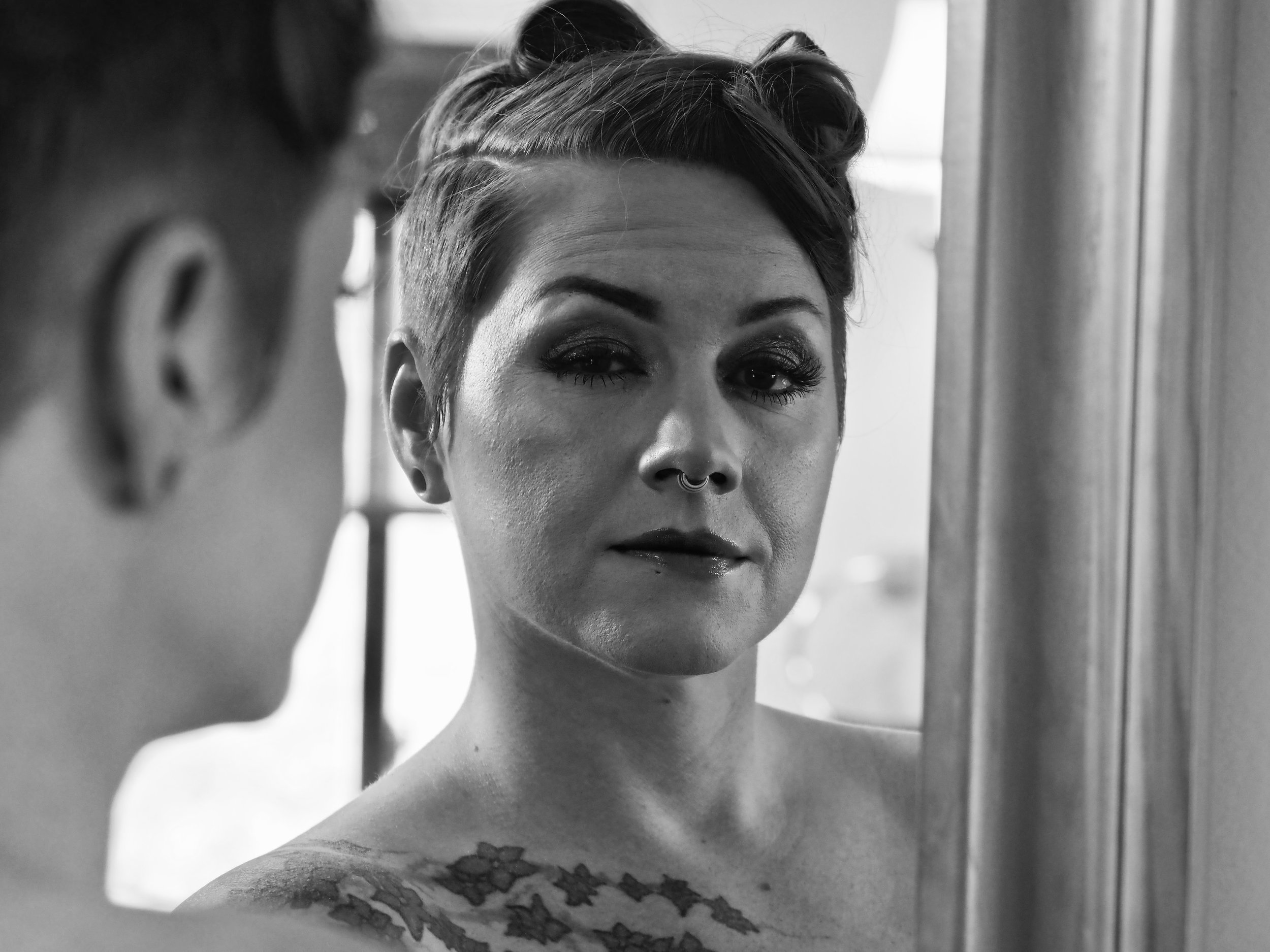
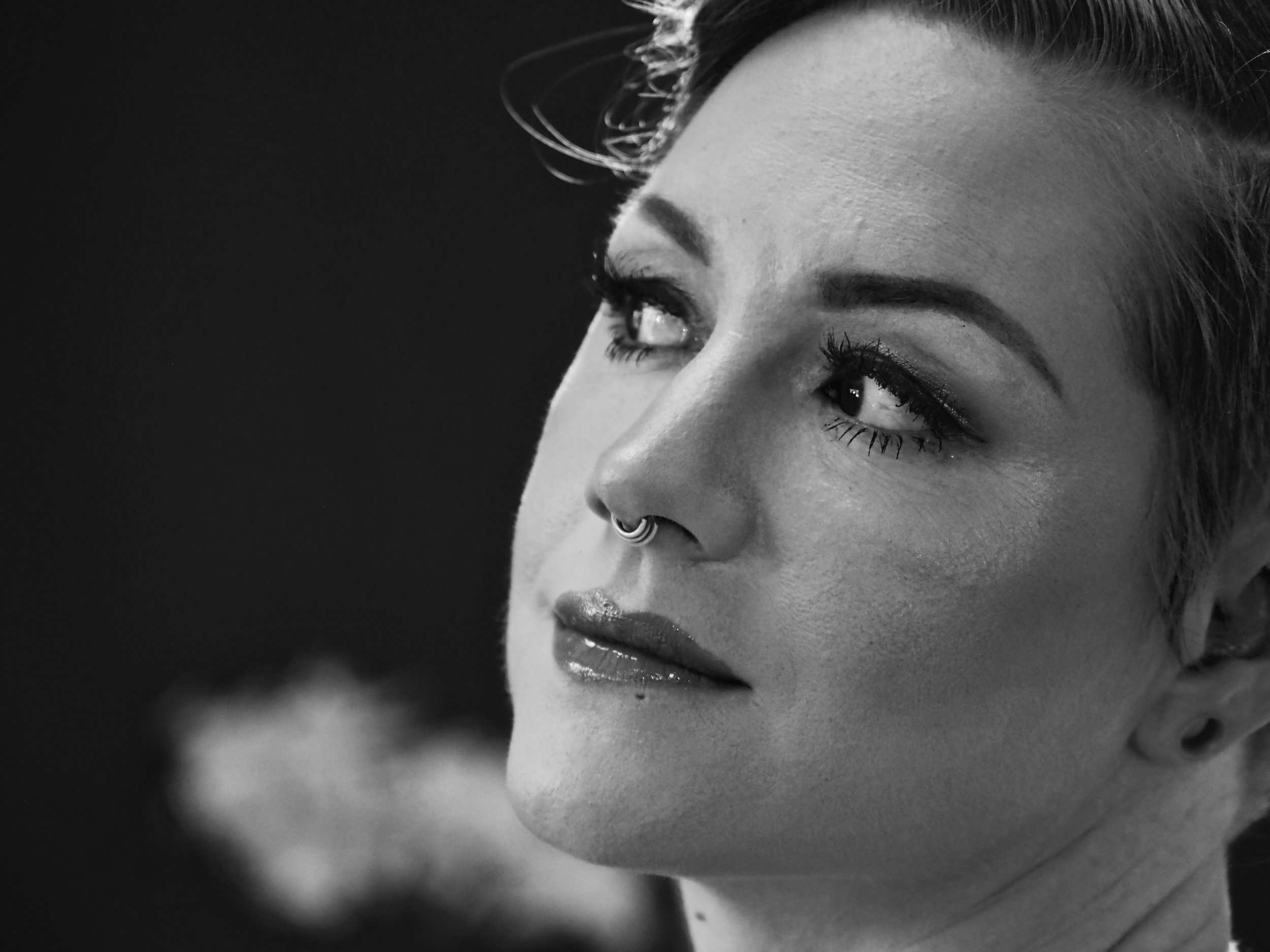
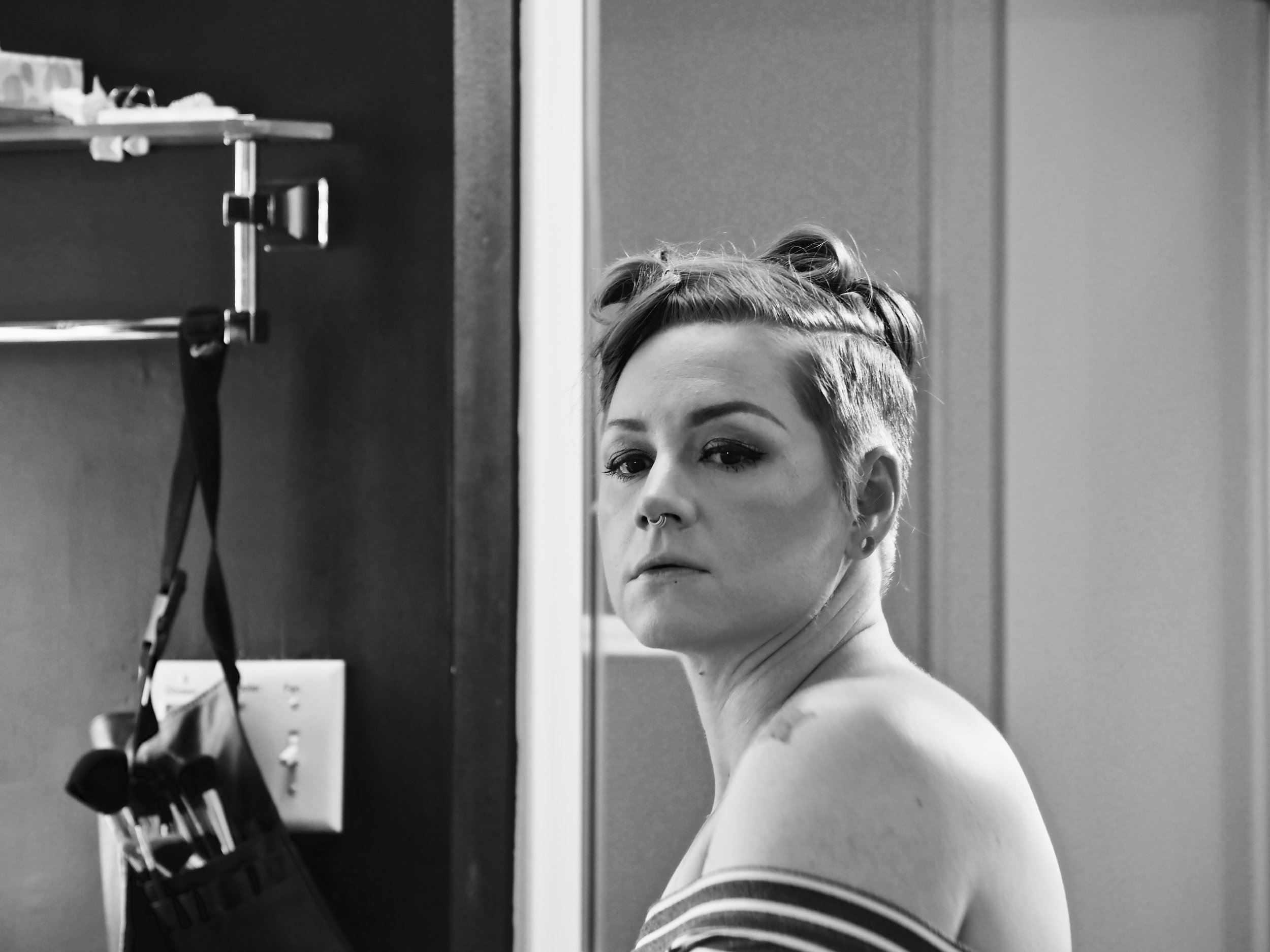
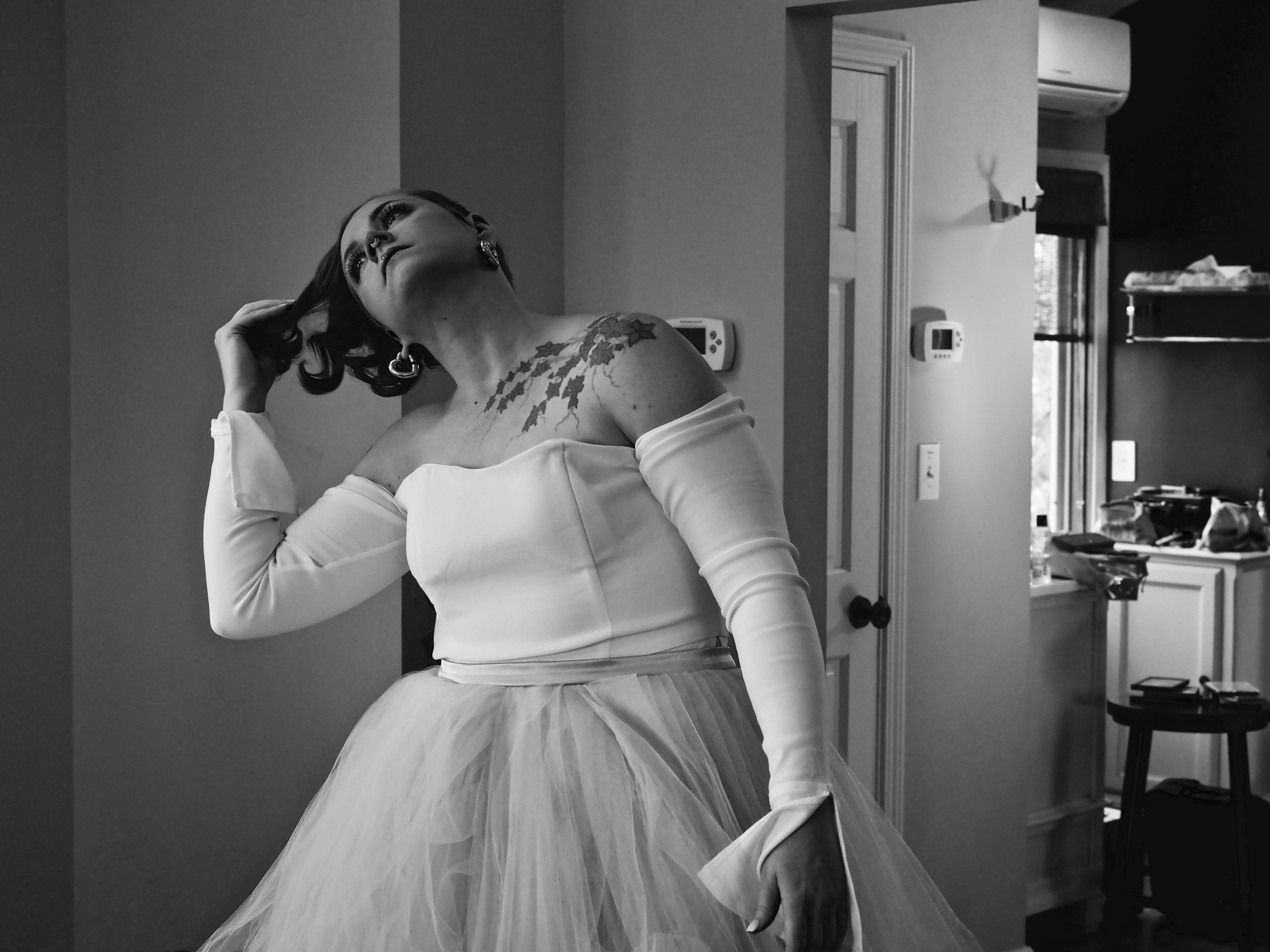
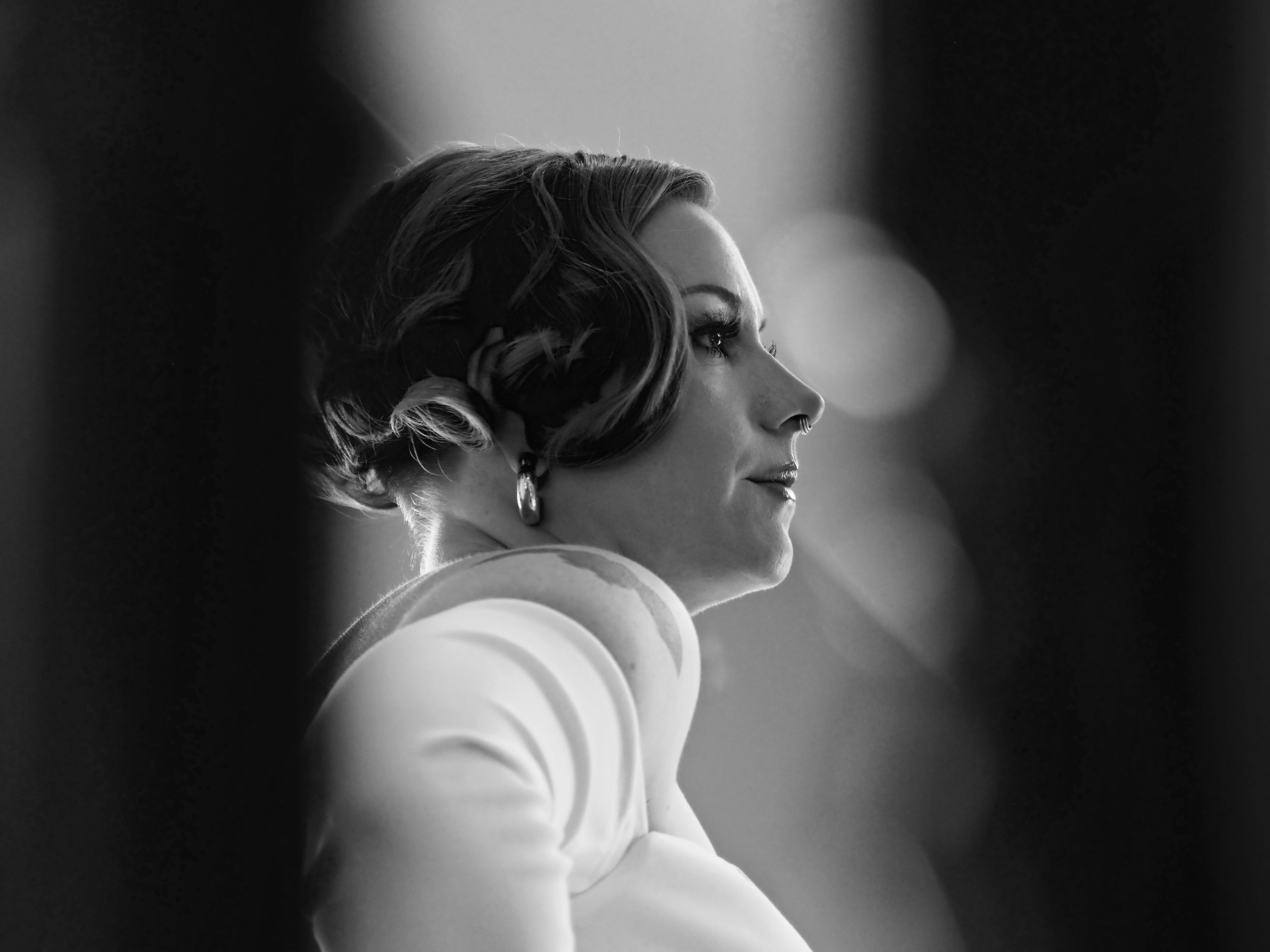
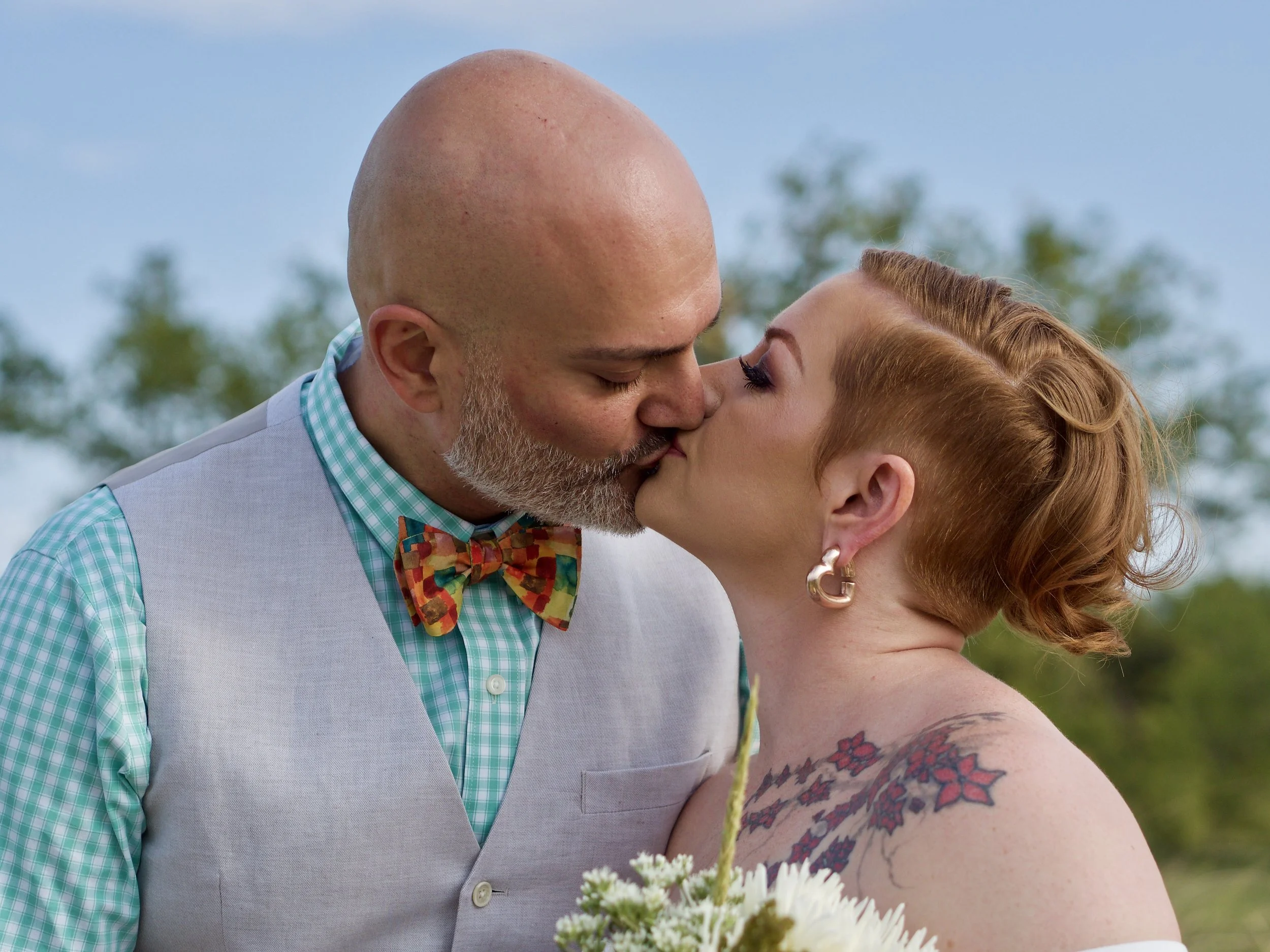
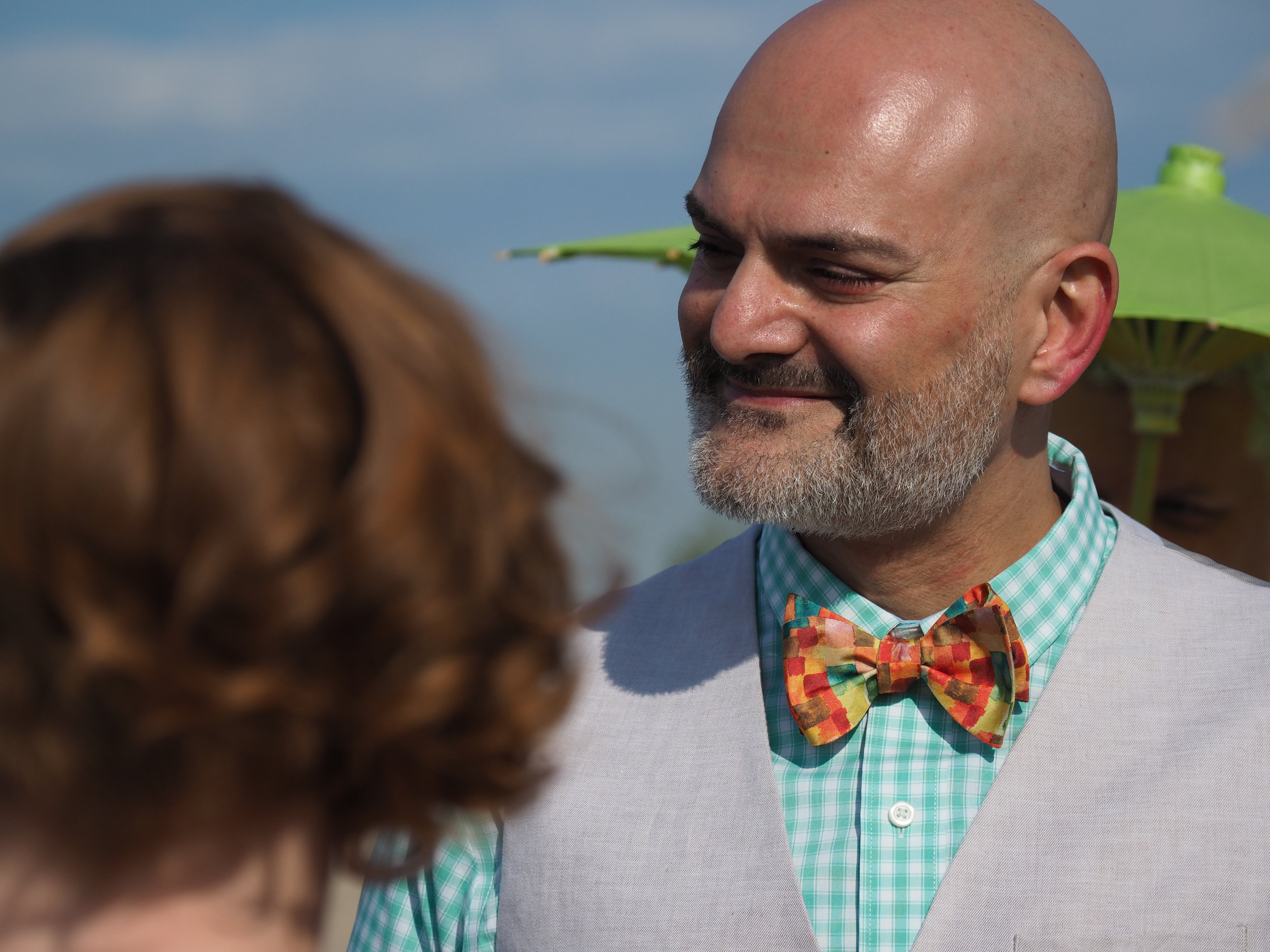


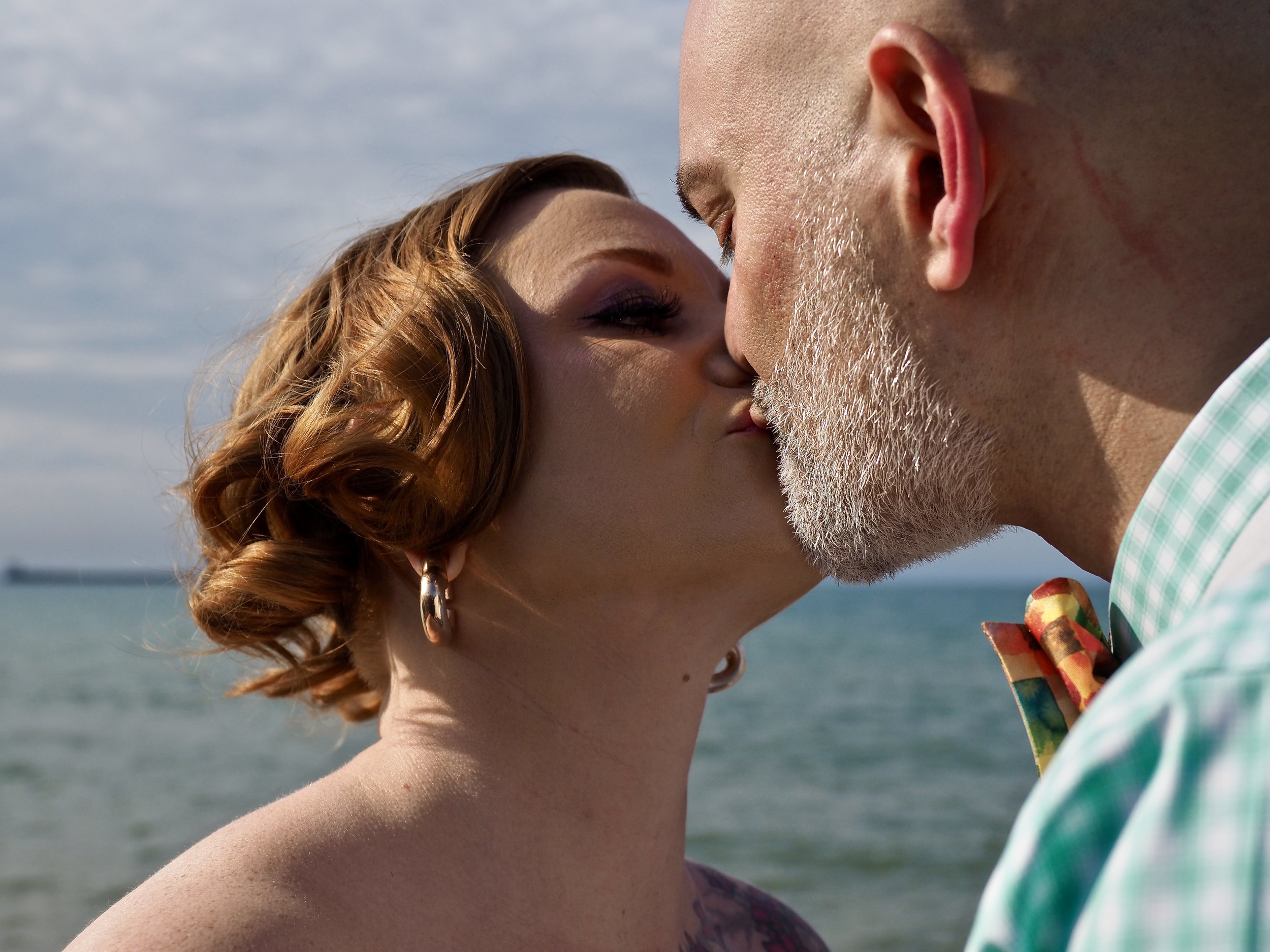

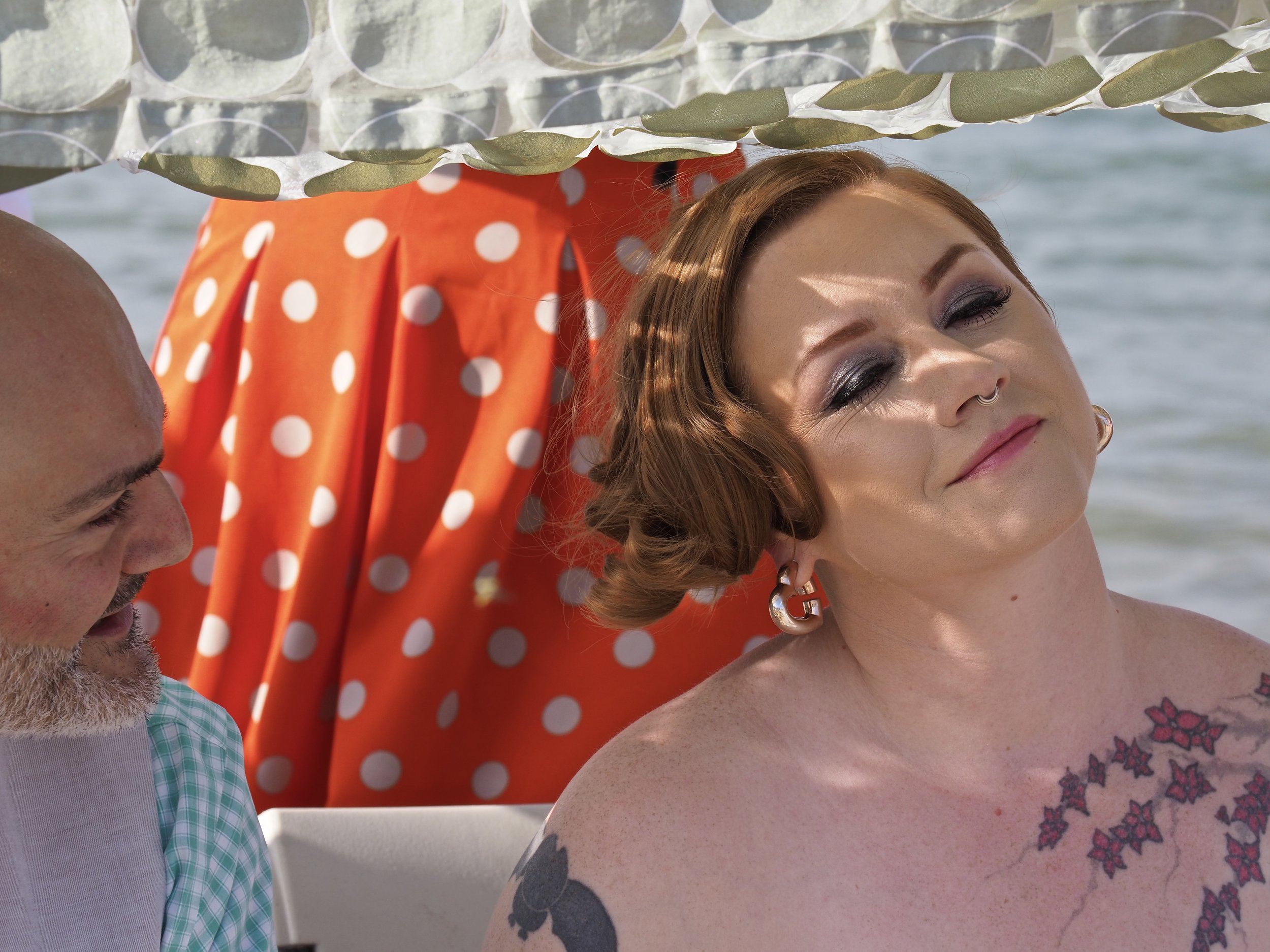

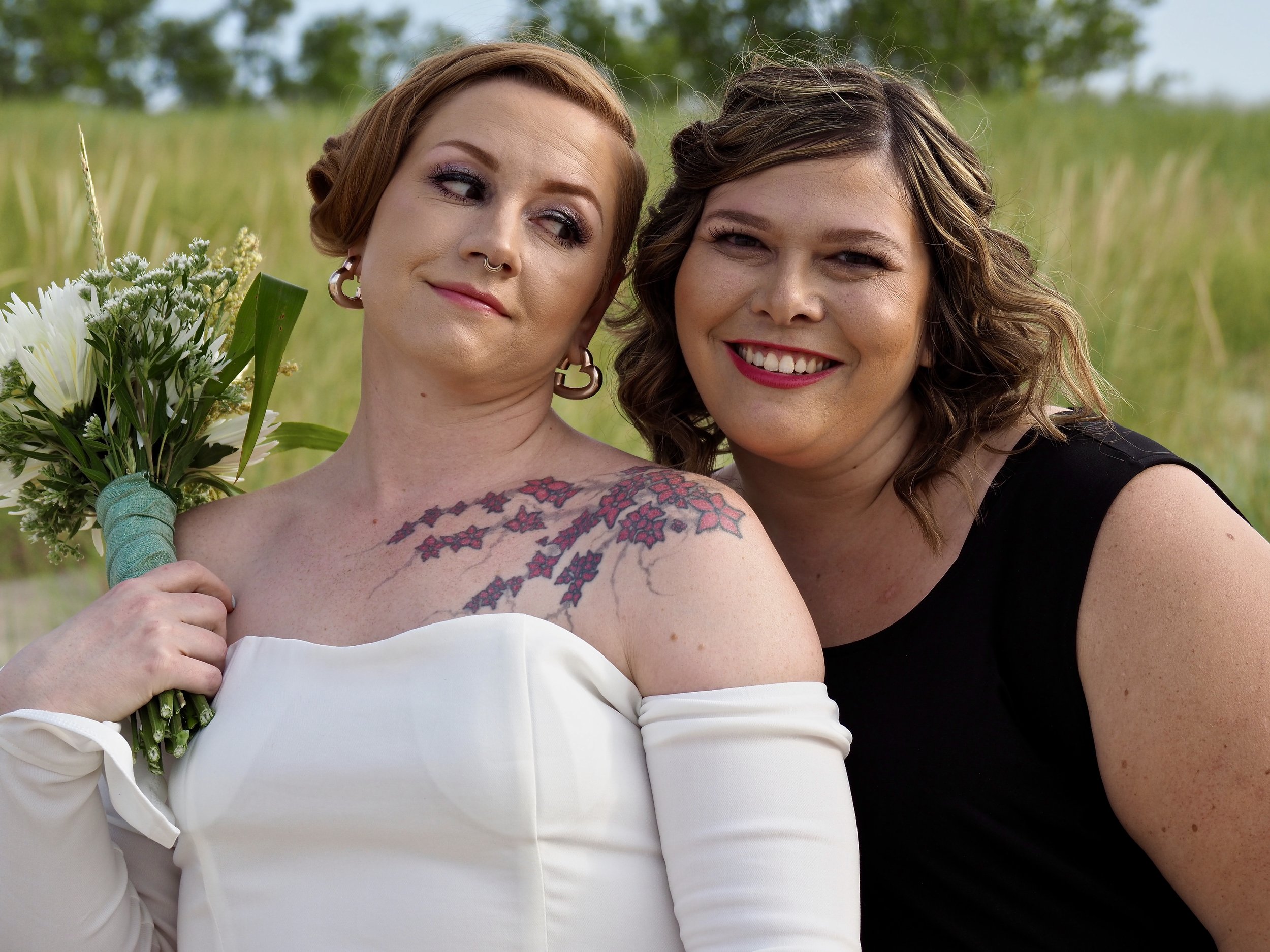
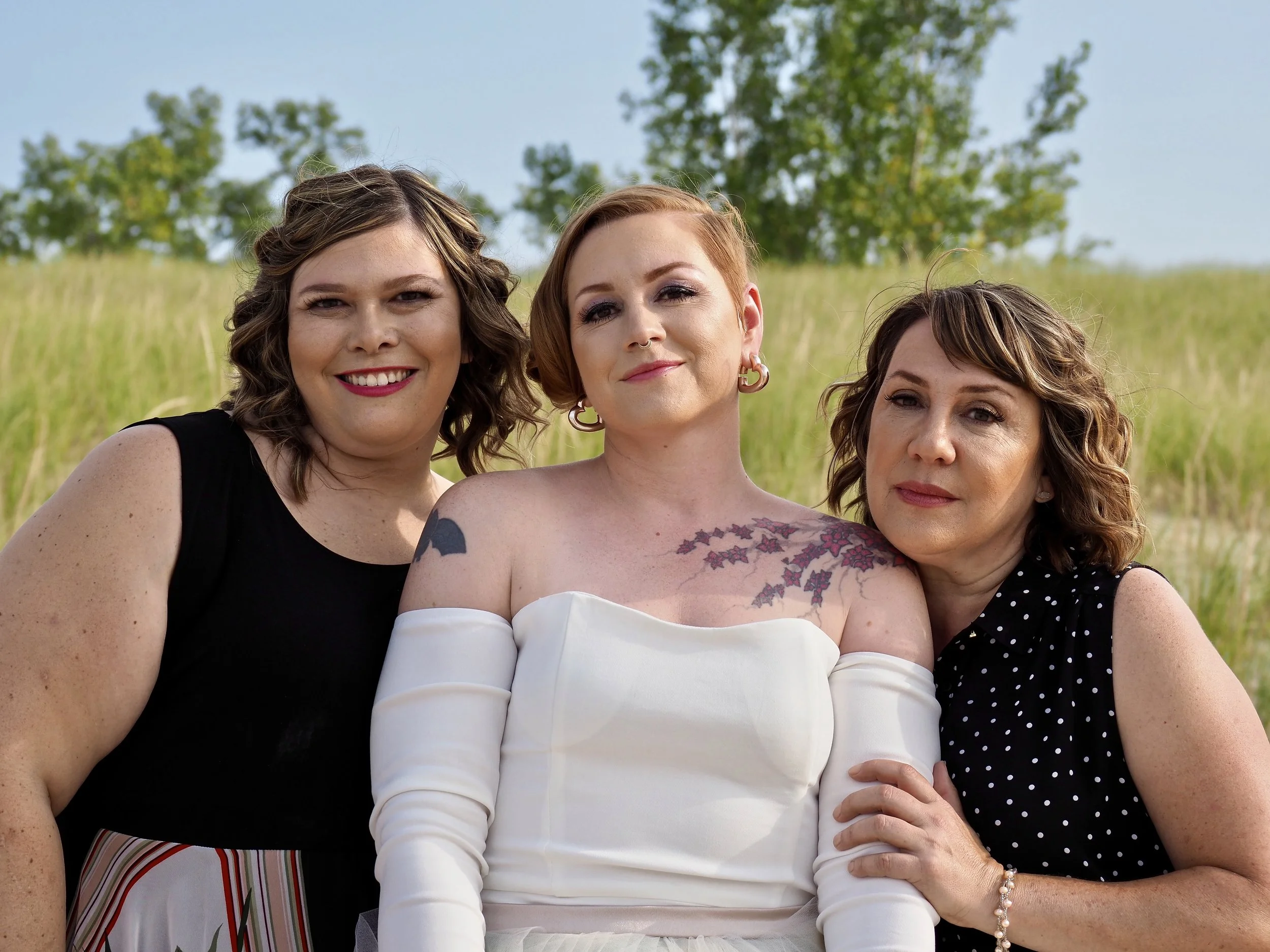
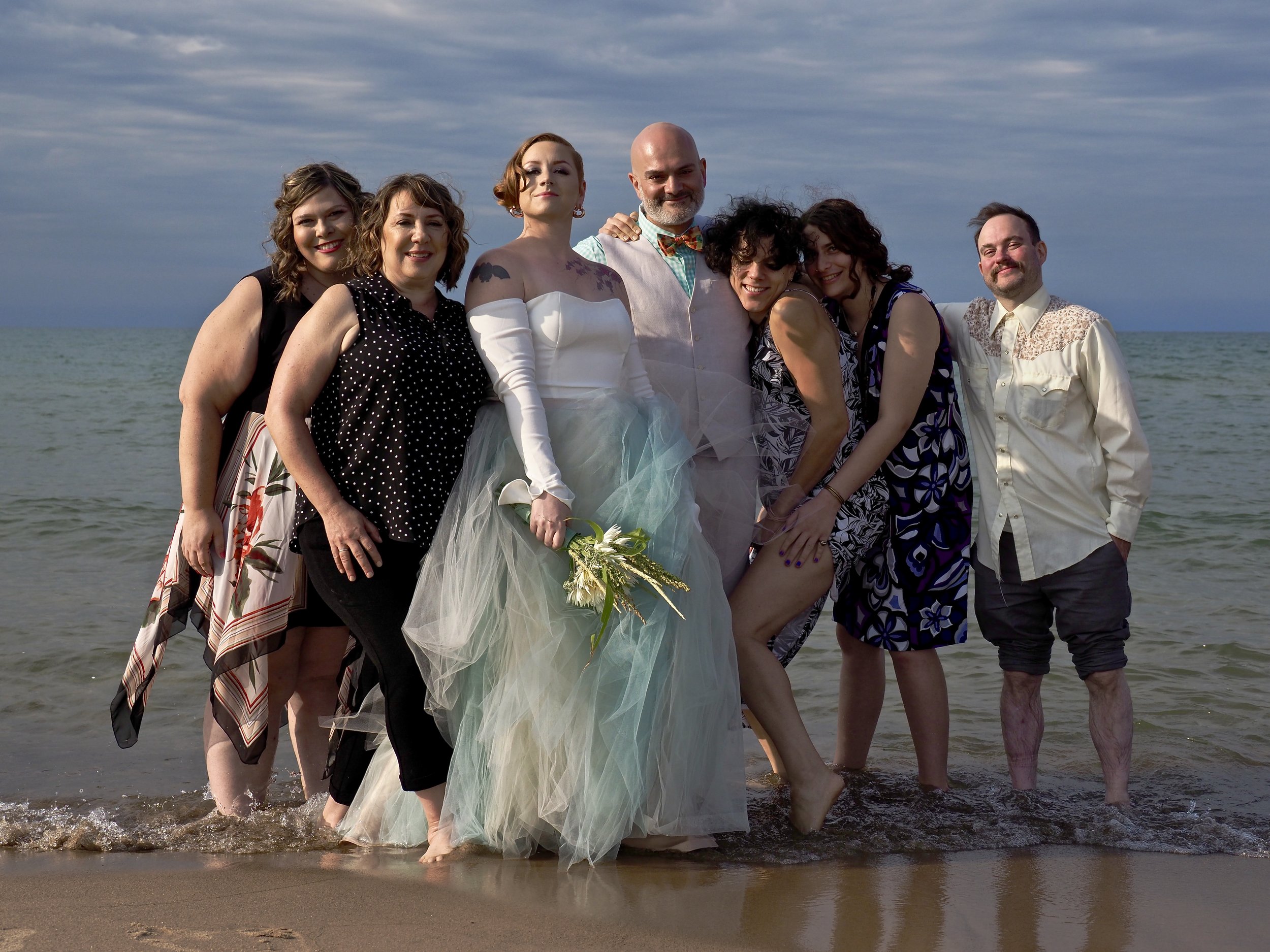
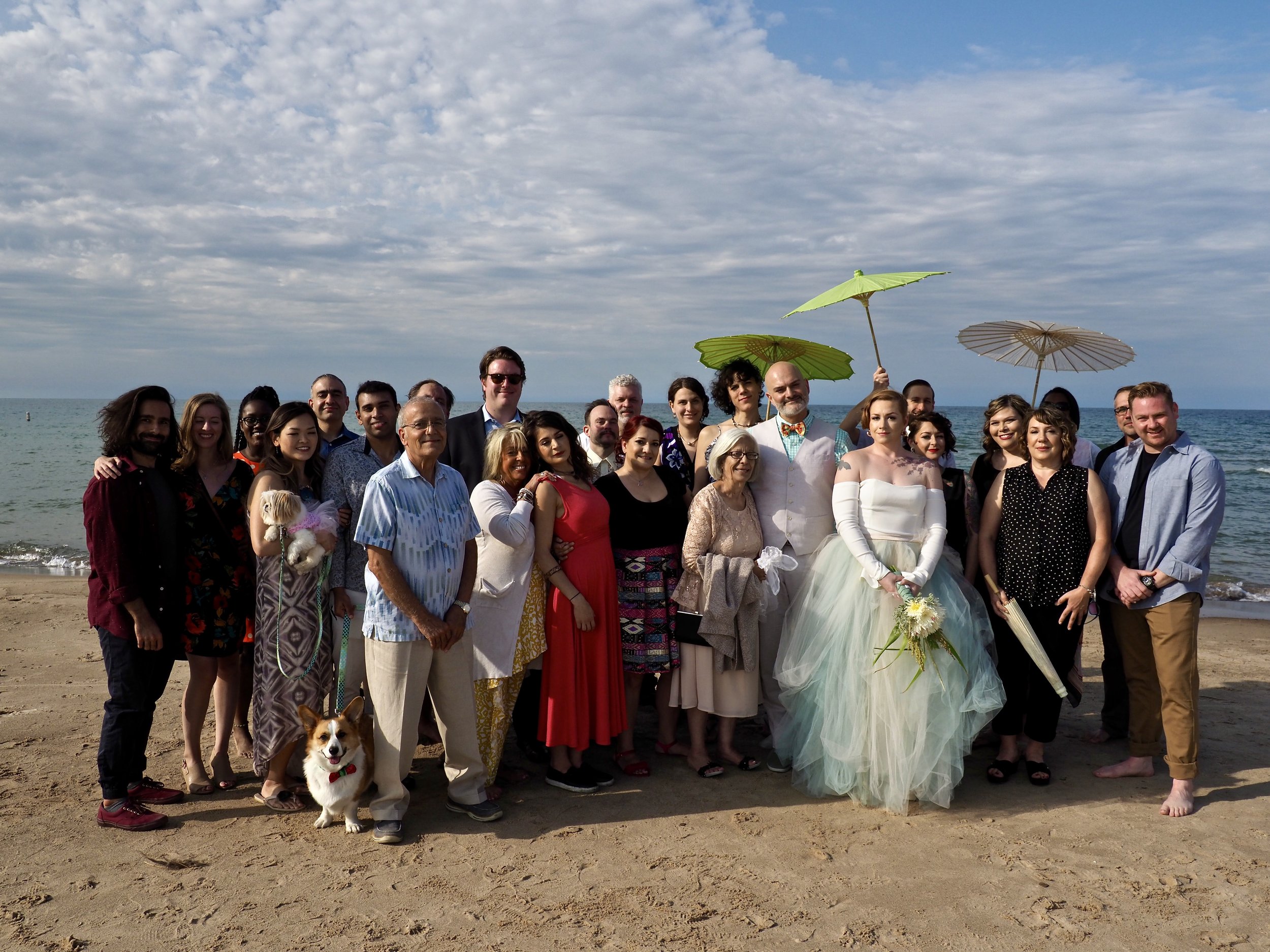
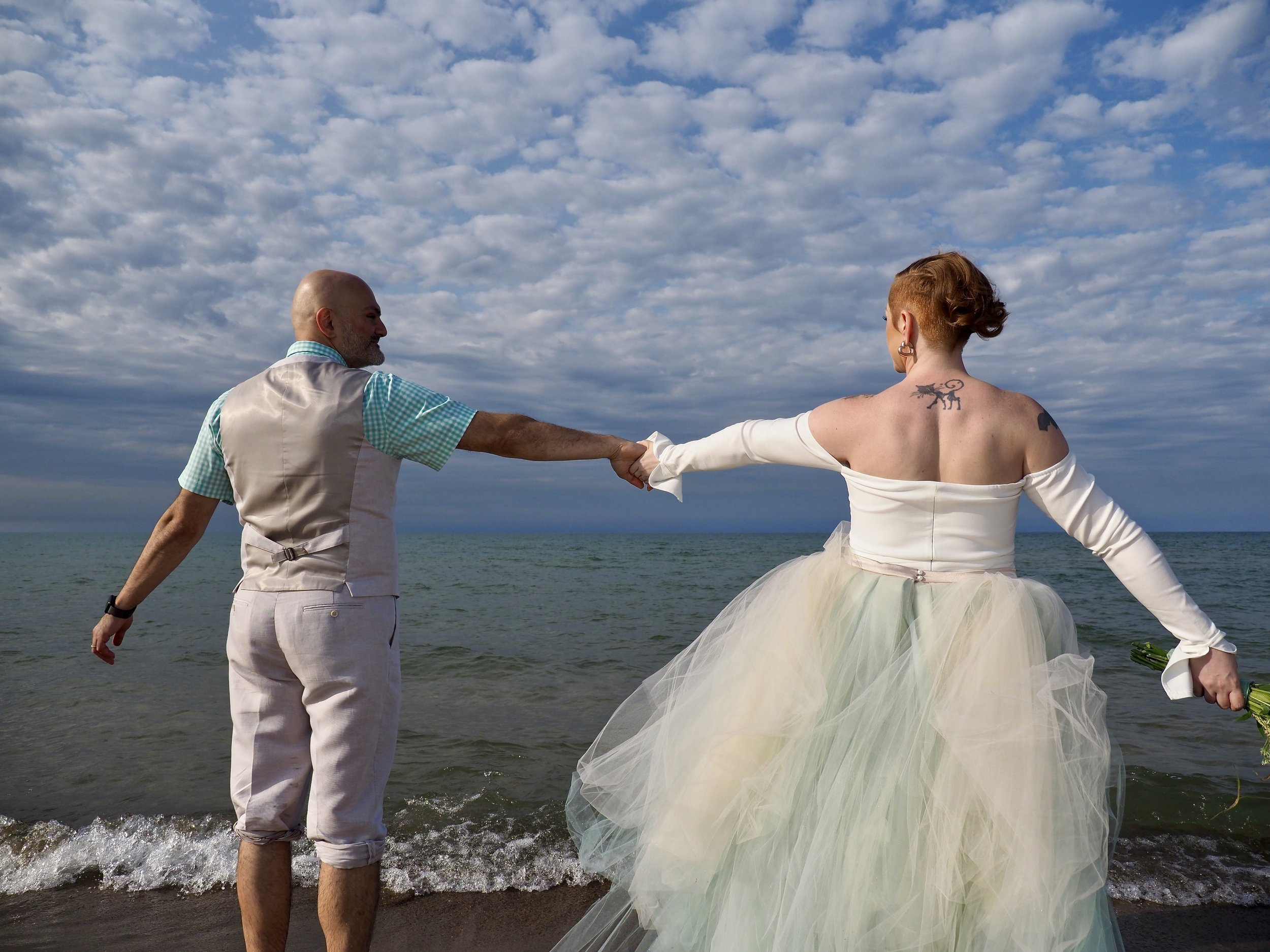
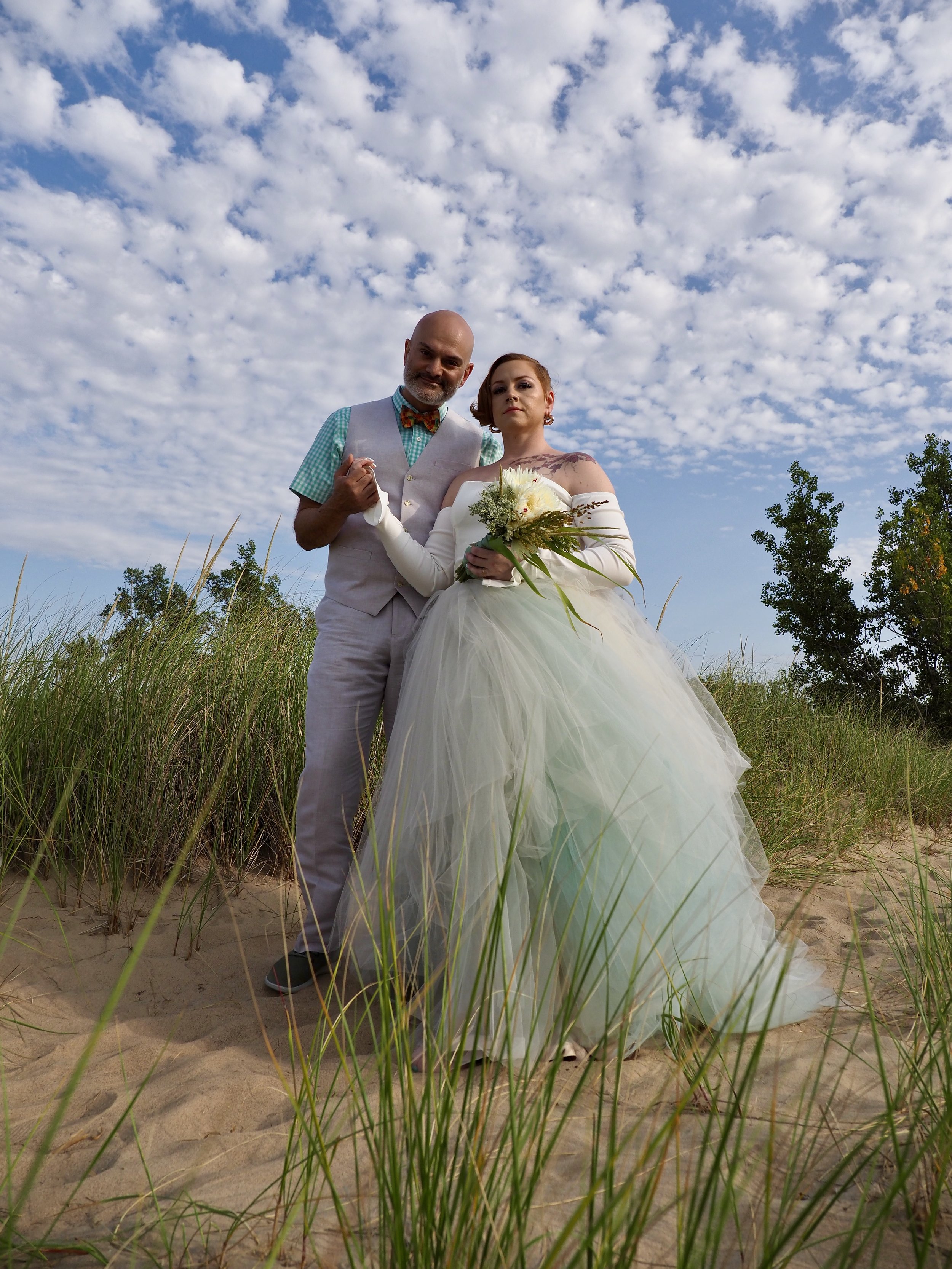

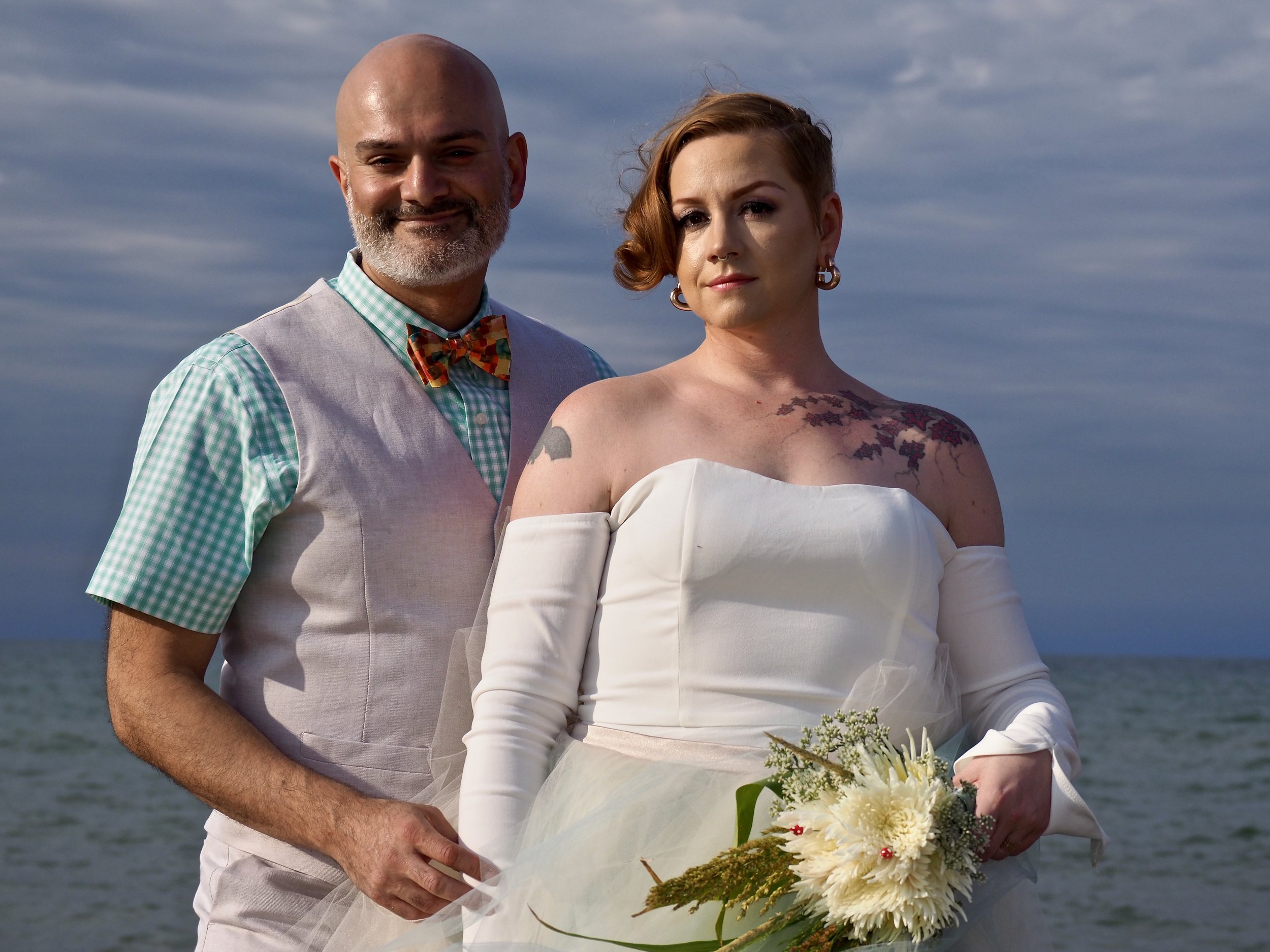
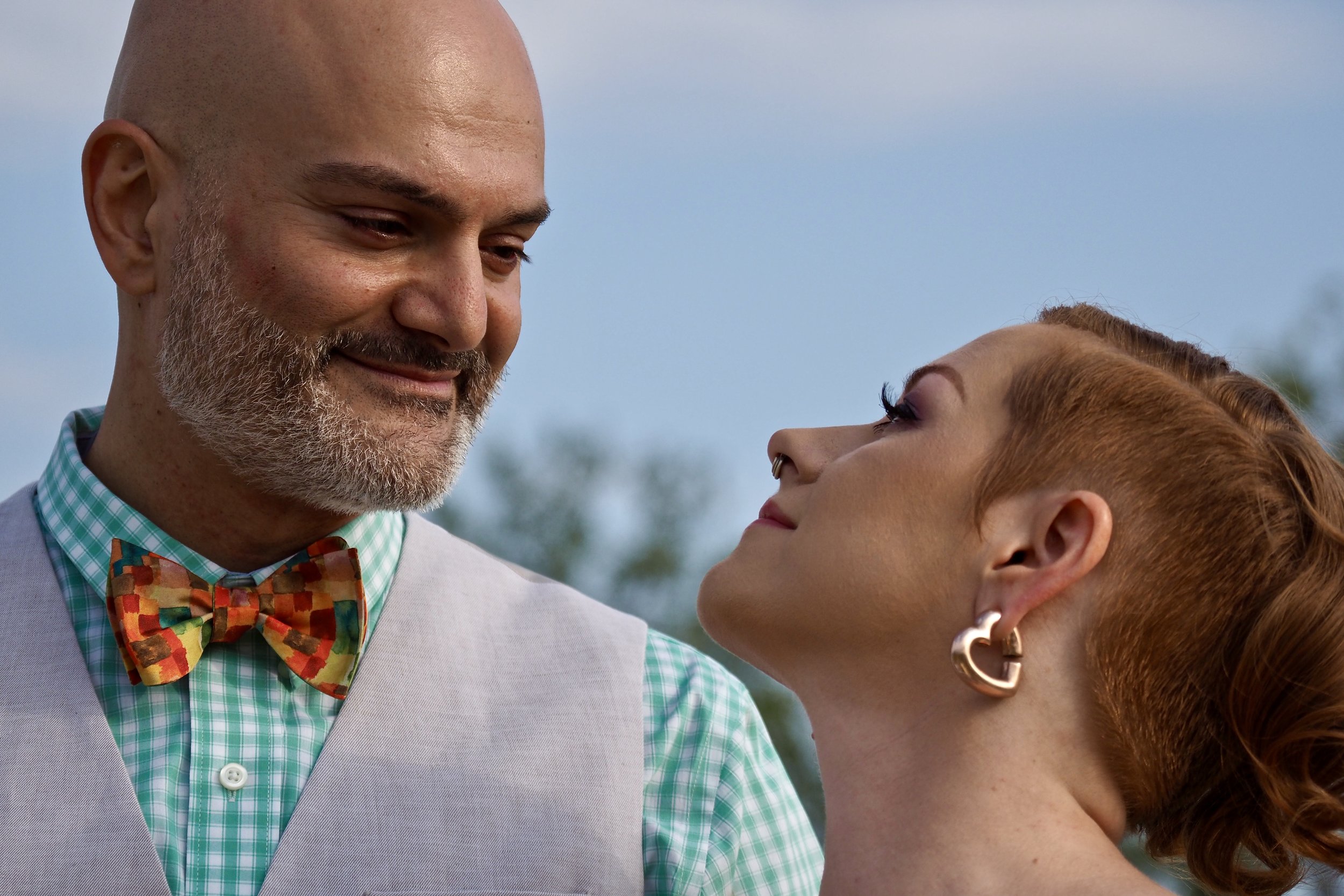
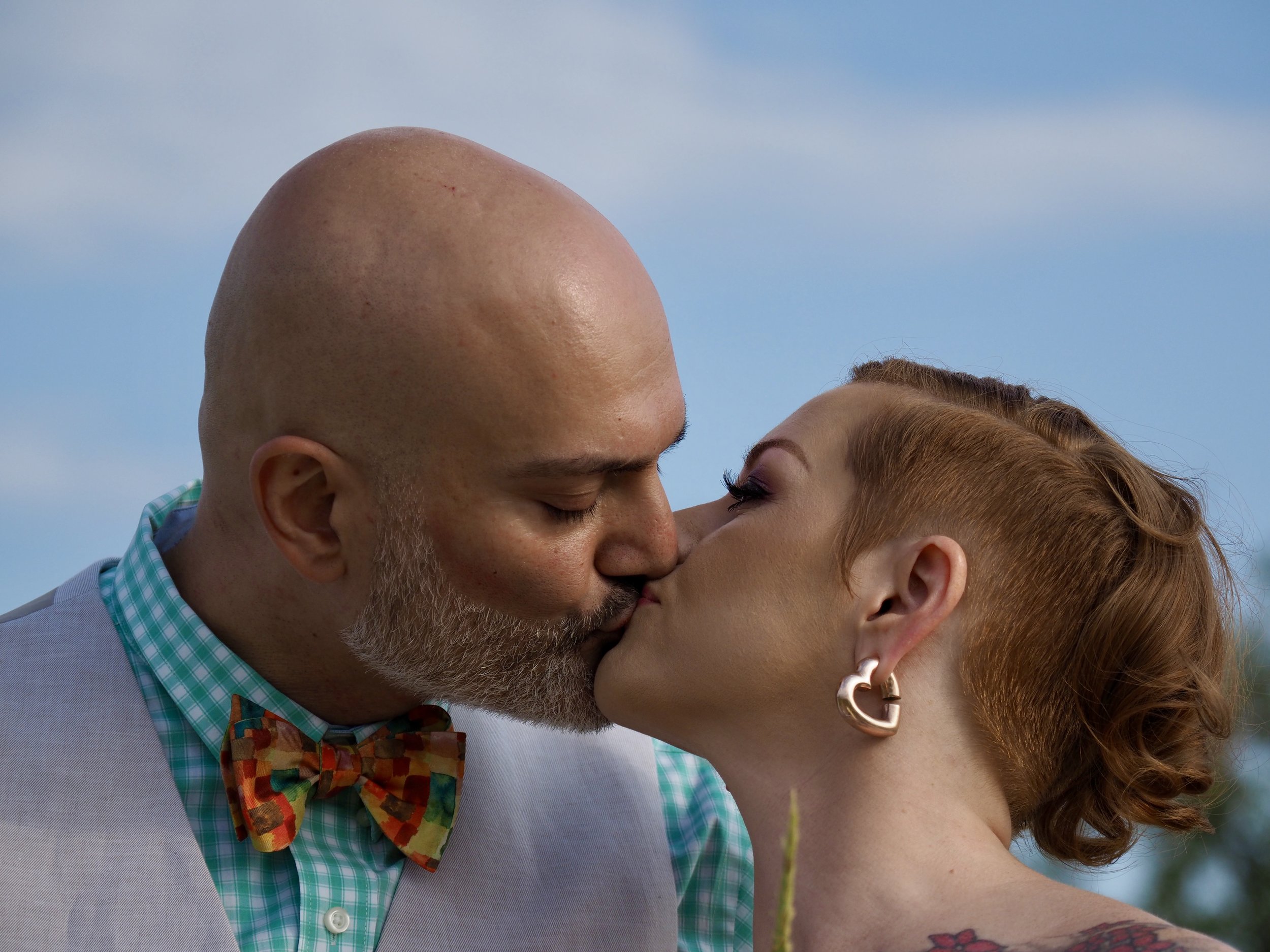
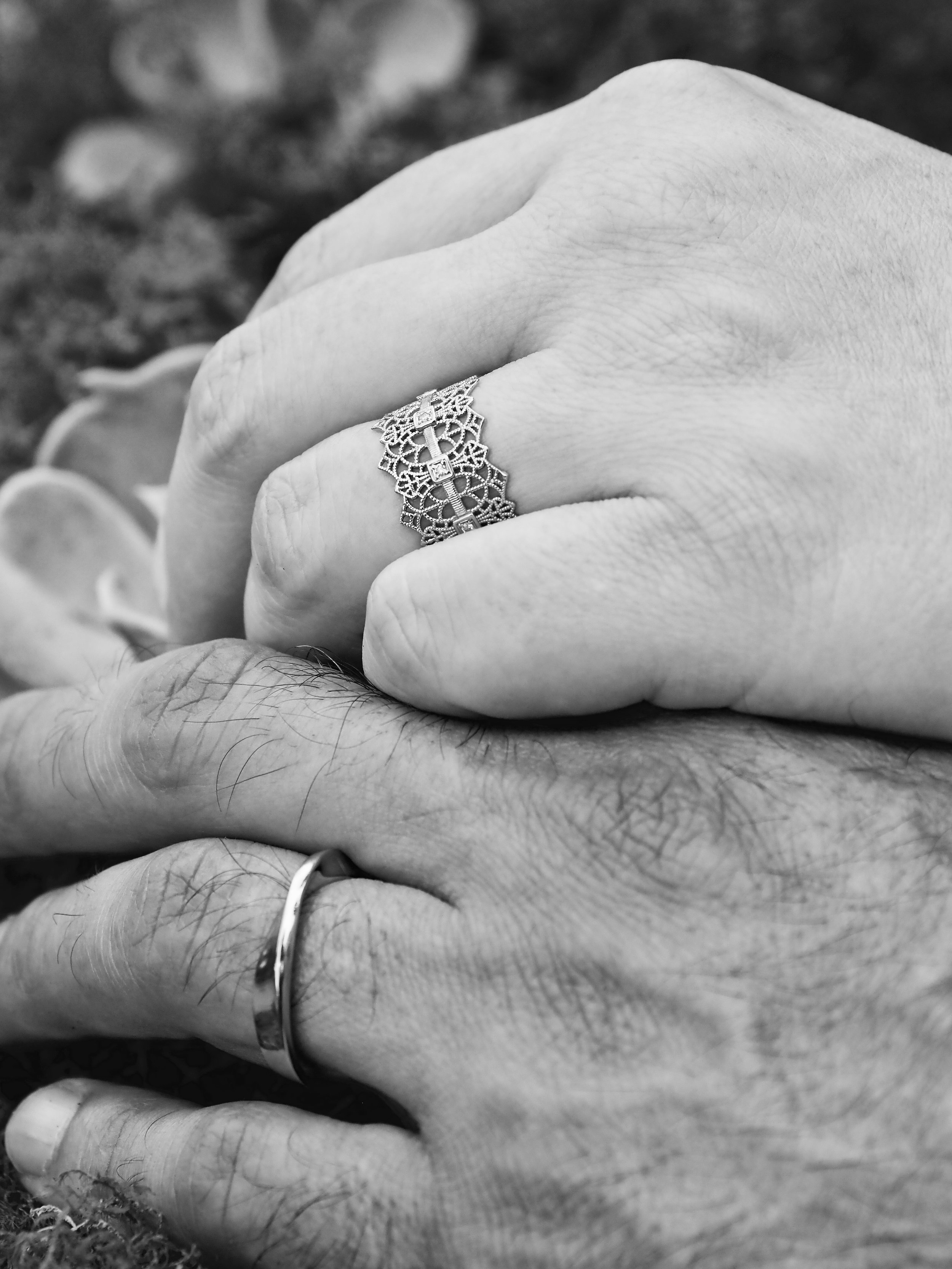

With the honor of photographing my good friends and colleagues Mazi and Chrissy's wedding, I'd like to share some of my favorite photographs from their union.
Please join me in congratulating Mazi and Chrissy on their marriage.

Mazi & Chrissy, Lake Michigan, 9/2/2017
Close friends Mazi and Chrissy were getting married. They’ve admired my photography from a far but never did I expect to have them ask me to photograph their wedding.
I have little experience photographing weddings. Actually, this was my first. My trepidation wasn’t too excessive—I rarely shy away from a challenge, however, weddings are once in a lifetime events, these were my friends, and some money was involved. Either way, I had to make this photo shoot count and really execute.
I also had two choices: what style would I use to shoot these photographs? What gear would I used?

One might be surprised to find out that I didn’t use my digital 35mm Nikon system with pro lenses, however. For days after accepting the honor of photographing my friends’ wedding I was sure that I would use Nikon but the wedding was small and I was going to be going in alone. To many it might be a surprise that I decided against using the giant, yet powerful, Nikon gear and go with a smaller more compact system shooting with Olympus Micro Four Thirds equipment.
I wanted to be stealthy, highly mobile, small and noninvasive, and frankly, I just like shooting with smaller systems. I needed power and speed, and I needed flexibility. Micro Four Thirds systems provide this better than any other digital photography system I’ve encountered.
I was really impressed with the E-M1 Mark II. I thought my E-M5 was quiet but this one wouldn’t even know I was taking a picture. I almost forget that it actually did make any sound at all. This is really one of my favorite parts of mirrorless cameras in general. DSLRs are well known as the standard for professional photography but they tend to be noisy. With a mirror flapping around inside when taking a photo, there is a fair amount of mechanical noise. Especially during a wedding ceremony, I very pleased that there was no chance of my camera interrupting the beautiful moment.

Being the only person on the photography “crew”, the small size of the EM-1 (and my E-M5) gave me plenty of mobility and never did my shoulder, hand, or any other part of me feel distressed. At one point. I carried two cameras, one with the 12-100mm f4.0 lens, the other with a 45mm f1.8 lens, two batteries, all weighing a kilogram less than just my Nikon D700 with a 24-70mm f2.8 lens.
The M.Zuiko ED 12-100mm f4.0 IS Pro was probably my best decision. It is a real gem of a lens. Not only compact, it is a super zoom ranging from a nicely wide 24mm equivalent (in 35mm terms) to a 200mm reach. It’s razor sharp and renders images quite nicely. Weather sealed, metal barrel, and the focus ring doubles as a clutch to activate/deactivate autofocus, it will be top contender for my next lens purchase for my Olympus.
At the end of the day, however, photography is about photographs. And photographing a wedding is about capturing the moments uniting two individuals, the delight of their friends and family, and giving a lifetime of enjoyment looking back on memories.
When I made the decision to shoot with my Micro Four Thirds fear, I was concerned. Despite having shot with my Olympus gear for more than five years, so many photographers (and probably some who only claim to be), smear the ability of a non-35mm sensor to be a “real professional” system. It is hard to keep that constant negativity from chipping away from ones confidence. My fears were belayed during this shoot and also by seeing what other professionals using Micro Four Thirds can do. As I always say and truly believe, don’t worrry about your gear. Adrian’s Life Rule #55: Go out and shoot! Shooting with the Olympus E-M1 Mark II, E-M5, and the very pleasing 12-100mm f4.0 Pro lens was a delight and I will look forward to shooting with them again professionally.
But most importantly, join me in congratulating my two friends Mazi and Chrissy on their marriage.
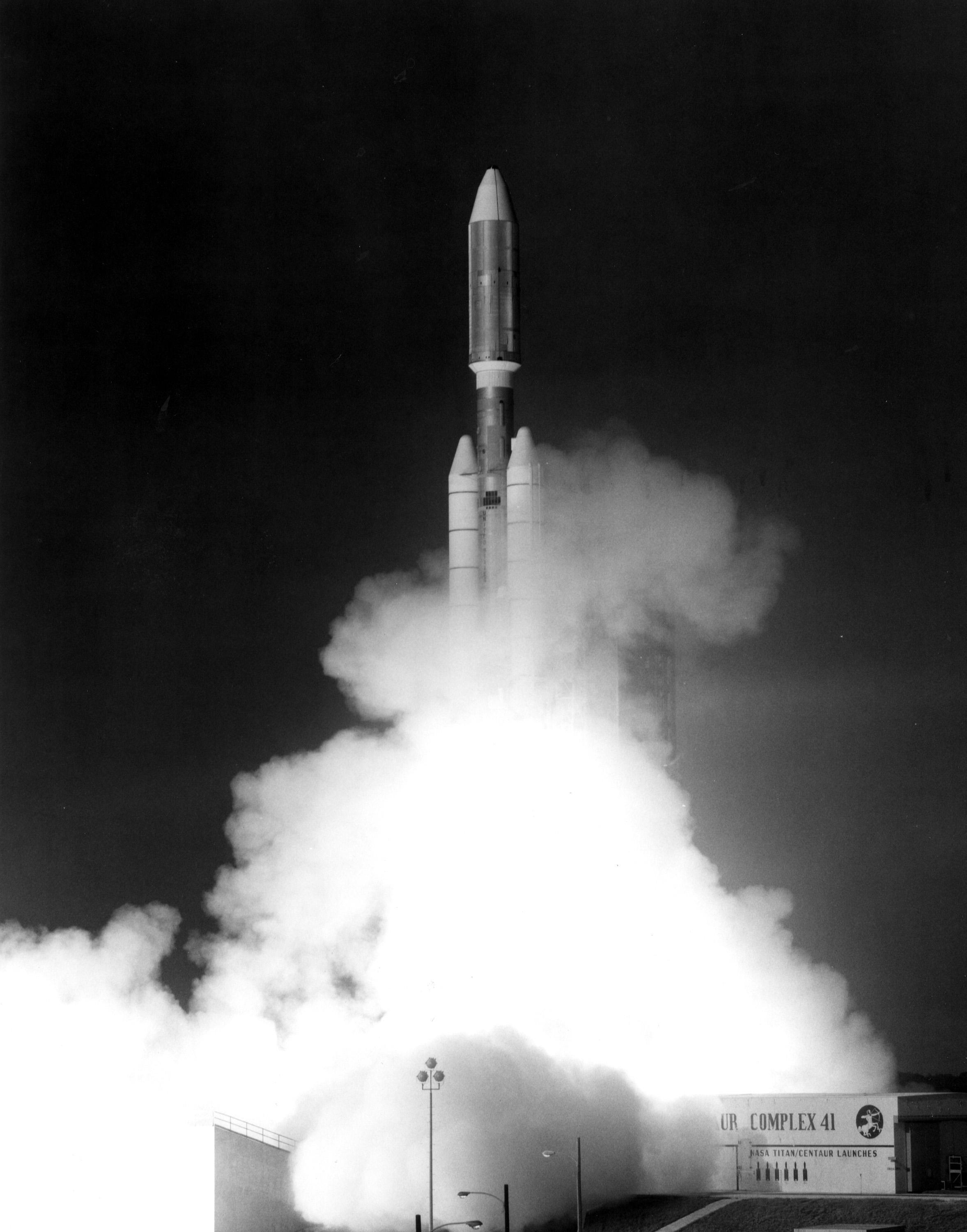
The Launch of Voyayer 1 on board Titan IIIE in 1977, photo credit NASA
Many people say, “I was born decades too early, I should have been a...” While the past has a certain charm, I’ve always been born of the future. I always say, “I was born 300 years too early, I should have been on the bridge of the Enterprise.” While my life will never take me to distant star systems, encountering the Klingons, or engaging warp drive, at heart, I am explorer and September 5th, 1977 was a date important to humanities exploration of the Universe
Today, marks forty years since the launch of Voyager 1. Its story is one of exploration and science and to this very moment, it is still transmitting incredible data back to NASA. Not only it this an incredible feet, imagine a car or computer running for four decades with no maintenance, Voyager 1 is the only device made by humanity to have left our solar system and ventured into interstellar space.
Speeding away from us at 38,000mph (48,000kph) towards a star known as AC +79 3888, about 17.8 lightyears from us. Voyager will lose power long before it reaches that star but the little probe that could will hopefully remain intact.

The Golden Record, photo credit NASA
Aboard Voyager 1 is the Golden Record. Scientist affixed this item to Voyager 1 in hope that one day it would be found by some space fairing life form who could decipher its message. Among the details engraved on the Golden Record is a diagram defining our sun’s location relative to fourteen known pulsars, a binary code to instruct the proper speed by which the record should rotate to play properly, other instruction to play the record, and details about the video portion.

The Golden Record explaination, credit NASA
One of my favorite features of the record is the inclusion of Uranium-238. With a half-life of 4.51 billion years, measuring the amount of the daughter element would allow an extraterrestrial to calculate the time Voyager 1 has been in space – a true universal clock.
Today (September 5, 2017), at a distance of about 140 AU, the power from three radioisotope thermoelectric generators dwindles at a rate of 4 watts per year according to NASA. In 2030, the power it generates will be too little and Voyager 1 will power down forever; an end to the lonely space probe. However, not too far behind is Voyager 1’s sister, Voyager 2, which will also enter interstellar space on its own mission to pass near Sirius.
Further, Pioneer 10 and 11 will also leave our system and a more recent probe, launched in 2006, New Horizons, too, but there is certain romanticism to Voyager 1. It was the first and perhaps the most important of all the space probes in an era when space exploration was at the pinnacle of American, and I argue human, interest and accomplishments.
Voyager 1 will perhaps wander our galaxy for eternity, a monument to human ingenuity and curiosity, a legacy adrift in the Universe.